About Us
about salargostar
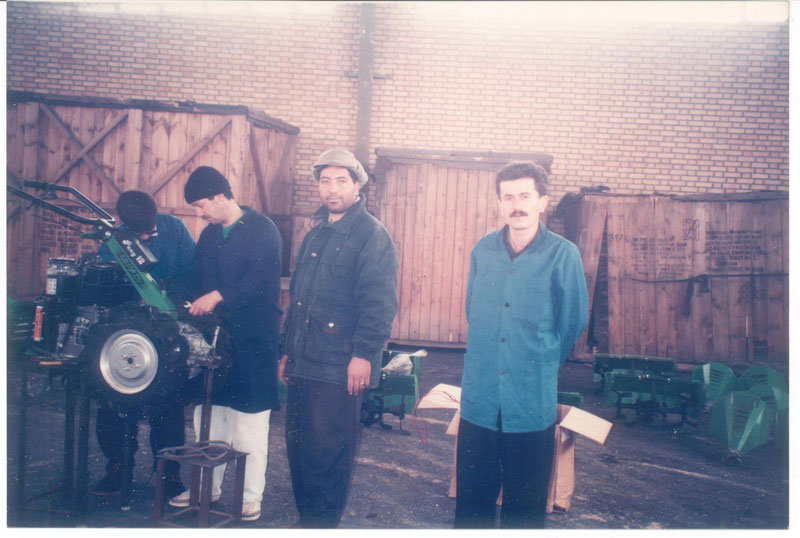
Dorrizan Company, a manufacturer of agricultural machinery, was established by Engineer Abolfazl Miri Lavasani in 1991. Located in the Sepehr Industrial Estate in Nazarabad County, the facility spans a 6,000-square-meter plot, featuring 675 square meters of administrative space and 3,000 square meters of production space; the venture was launched in collaboration with the Italian firm Casarozzi. In 2000, the company began operations under the name "Salar Gostar Parts Manufacturing Company," focusing on the production of electromechanical automotive components. Subsequently, in 2001, it commenced the manufacture of door-lock actuators for the Paykan model and modular units for the Pride model. By 2005, the company’s product portfolio had expanded to include relay timers and power window systems for the Pride.
Salar Gostar's vision
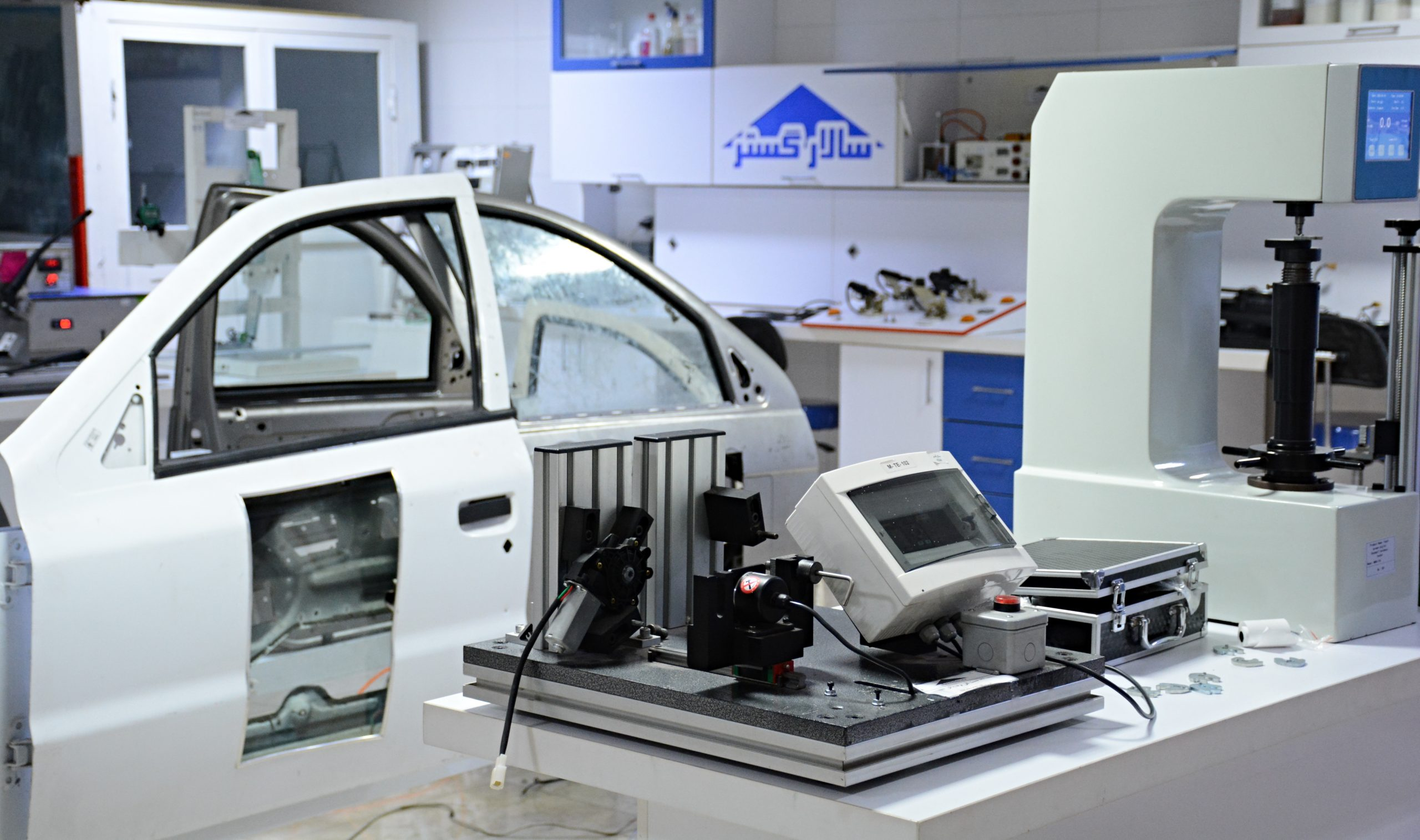
By using the latest technology, the company's products are produced with fully automatic or semi-automatic processes, and while improving the quality of the products, production costs are also reduced. In the future, the company will invest more in the fields of electronics so that domestic car customers can benefit from more options and pay less. Teamwork, the use of first-class specialists, and shareholder support for the localization of technology are the basis for the set goals.
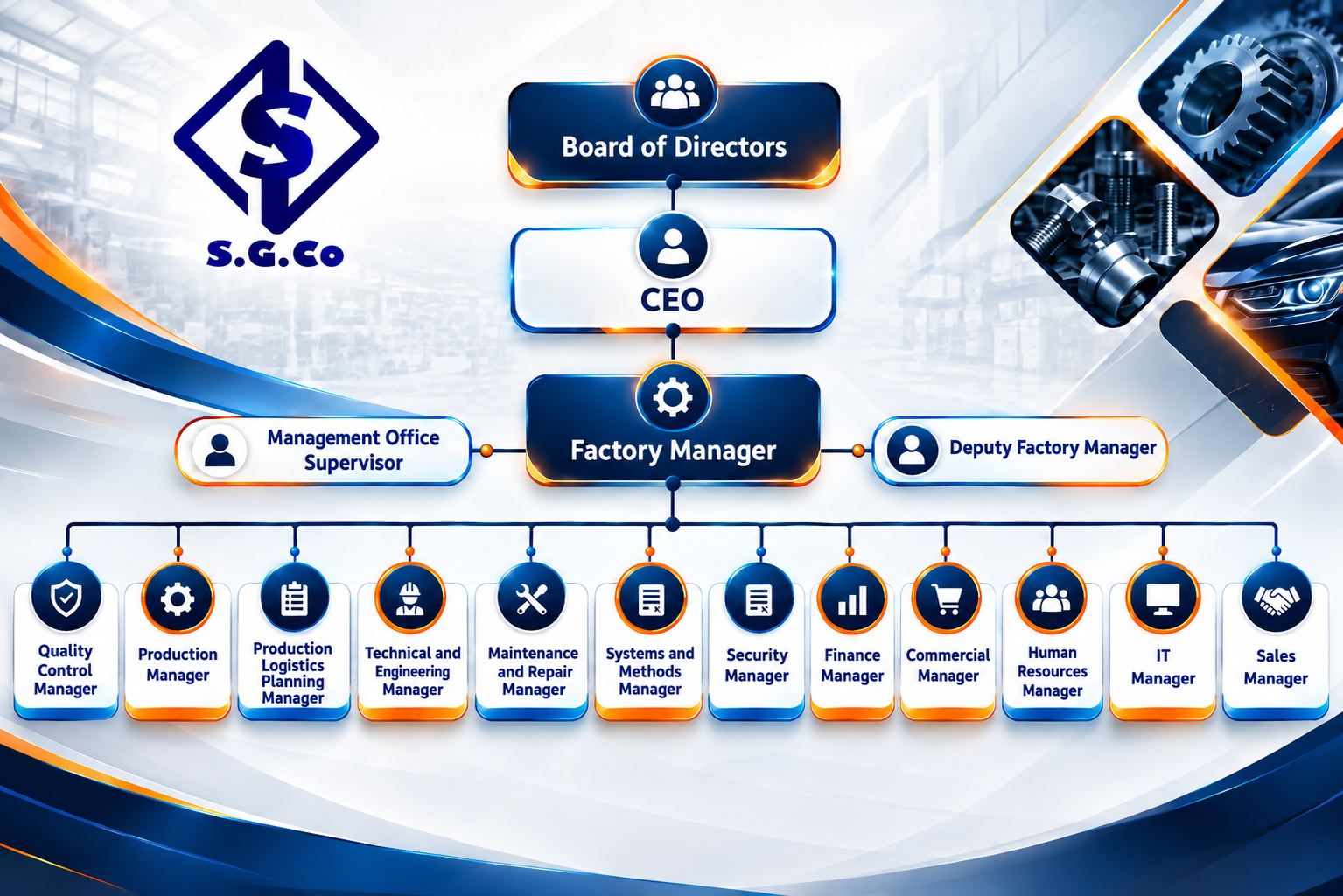
Salar Gostar Organizational Chart
Salar Gostar is dedicated to the production and supply of high-quality automotive parts, leveraging its expertise, experience, and the cohesive collaboration among its various organizational units. The company’s organizational structure is designed to ensure seamless coordination across its management, production, quality control, sales, and support departments. At Salar Gostar, each unit contributes to the advancement of the company’s objectives by fulfilling its specialized role. Effective interaction among staff and departments fosters improved work processes, increased productivity, consistent product quality, and enhanced customer satisfaction. Salar Gostar’s organizational chart delineates the management framework, defined responsibilities, and the interrelationships between the company’s various units—a structure designed to drive sustainable development and earn the trust of customers.